The nature of knowledge should be relative. Each student is different, and their education should fit their needs. Education should help the child grow both mentally and emotionally. Students should be given the right to think on their own. They do not need a teacher who will take their free will away. Students should not have to conform to something in which they do not believe. They should have their own thought processes. The best philosophical approach toward a child’s education is progressivism.
Progressivism allows the child to be a free-thinking individual. My teaching method will let the students become critical thinkers who can use their knowledge in the “outside world”. To accomplish this…show more content…
The area of curricula that I have chosen is English-Language Arts. This subject area is important because it teaches students to think critically and accomplish problem solving tasks. The reading and writing of literature will help them think and interpret on a higher educational level.
Instead of being a strict teacher, I will be a facilitator. My classroom will be one of control, and not one with a strict code of order. I feel that if a teacher orders students around they will be given less respect. If you keep them in line without being too controlling, they will be more effective listeners. I will create a type of democracy in which everyone will have a voice in their educational curriculum. Students should be allowed to have some sort of input into the type of education they are receiving. If they do not like something you are doing, you should take the time and listen to their ideas. I will not act like I am more intelligent than they are. I believe that teachers should operate on the same level, and receive as much as they give.
My developmental plan is to further my education as much as possible. I plan on obtaining employment in an educational atmosphere that I enjoy working in. I plan on being a teacher, but I would also like to leave my options open. The school system needs to obtain more female principals, so this is one option that I plan to look in on.
It is crucial for teachers to join either the American
Teaching Philosophy Pdf
Getting started
Your reasons for writing a teaching philosophy may vary. You might be writing it as an exercise in concisely documenting your beliefs so that you can easily articulate them to your students, peers, or a search committee. It might serve as the introduction to your teaching portfolio. Or, it can serve as a means of professional growth as it requires you to give examples of how you enact your philosophy, thus requiring you to consider the degree to which your teaching is congruent with your beliefs.
Generating ideas
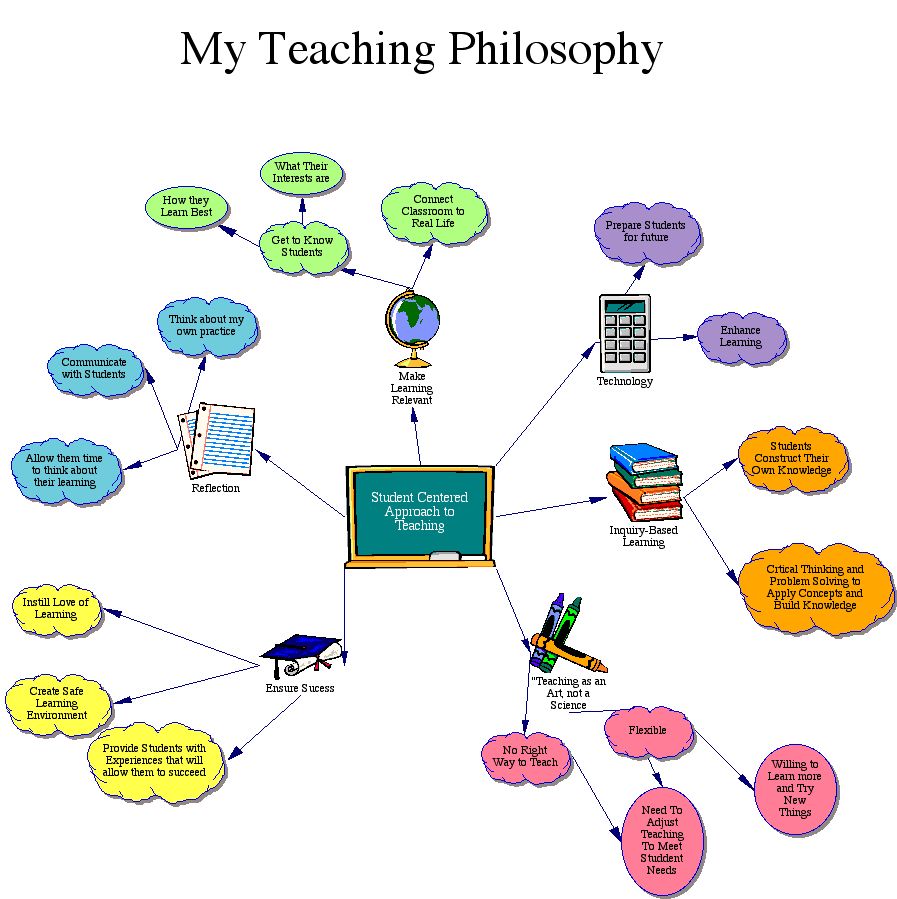
This passage is an example of a strong statement of teaching philosophy because it puts students.
- It’s an explanation of your values and beliefs as they relate to teaching. 1 Your philosophy is often a combination of methods you studied in college or graduate school and lessons learned during any professional experience since then. It may also draw upon your own experience of childhood education either as a parent or as a child yourself.
- A teaching philosophy is a self-reflective personal narrative that expresses your values and beliefs about teaching. It includes your conception of teaching and learning, a depiction of how you teach and an explanation for why you teach in that way.
Teaching philosophies express your values and beliefs about teaching. They are personal statements that introduce you, as a teacher, to your reader. As such, they are written in the first person and convey a confident, professional tone. When writing a teaching philosophy, use specific examples to illustrate your points. You should also discuss how your values and beliefs about teaching fit into the context of your discipline.

Below are categories you might address with prompts to help you begin generating ideas. Work through each category, spending time thinking about the prompts and writing your ideas down. These notes will comprise the material you’ll use to write the first draft of your teaching philosophy statement. It will help if you include both general ideas (‘I endeavor to create lifelong learners’) as well as specifics about how you will enact those goals. A teaching philosophy template (pdf) is also available to help you get started.
Questions to prompt your thinking
Your concept of learning
What do you mean by learning? What happens in a successful learning situation? Note what constitutes 'learning' or 'mastery' in your discipline.
Your concept of teaching
What are your values, beliefs, and aspirations as a teacher? Do you wish to encourage mastery, competency, transformational learning, lifelong learning, general transference of skills, critical thinking? What does a perfect teaching situation look like to you and why? How are the values and beliefs realized in classroom activities? You may discuss course materials, lesson plans, activities, assignments, and assessment instruments.
Teaching Philosophy Samples
Your goals for students
What skills should students obtain as a result of your teaching? Think about your ideal student and what the outcomes of your teaching would be in terms of this student's knowledge or behavior. Address the goals you have for specific classes or curricula and that rational behind them (i.e., critical thinking, writing, or problem solving).
Your teaching methods
What methods will you consider to reach these goals and objectives? What are your beliefs regarding learning theory and specific strategies you would use, such as case studies, group work, simulations, interactive lectures? You might also want to include any new ideas or strategies you want to try.
Your interaction with students
What are you attitudes towards advising and mentoring students? How would an observer see you interact with students? Why do you want to work with students?
Assessing learning
How will you assess student growth and learning? What are your beliefs about grading? Do you grade students on a percentage scale (criterion referenced) or on a curve (norm referenced)? What different types of assessment will you use (i.e. traditional tests, projects, portfolios, presentations) and why?
Professional growth
How will you continue growing as a teacher? What goals do you have for yourself and how will you reach them? How have your attitudes towards teaching and learning changed over time? How will you use student evaluations to improve your teaching? How might you learn new skills? How do you know when you've taught effectively?